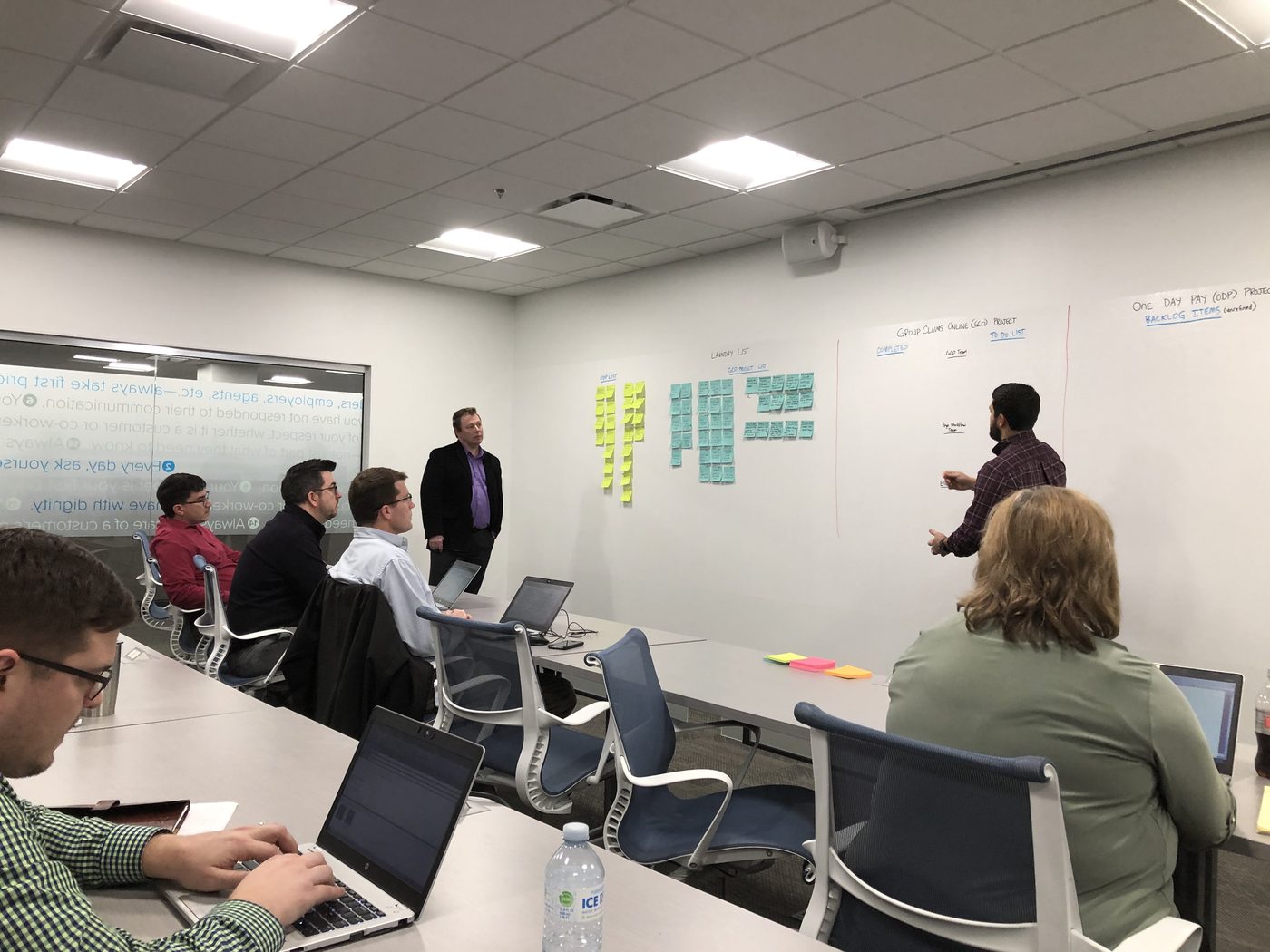
The work below is the kind of engagement Strategy-to-Motion clients typically end up commissioning, after discovery. They’re named, scoped, and priced individually, not bundled, not sold as a package, and not picked off this page. We name them here so you can recognize the kind of work this practice does, not so you can shop it. Most engagements include one or two of these. A few include three. Almost none include all seven.
Engagement 01
Workflow Reality Assessment
A direct read on how work actually flows today, not how the process diagrams say it does. Identifies where the friction is, where the workarounds live, and which workflows are candidates for redesign, automation, or honest retirement. The honest baseline most leaders skip.
Engagement 02
AI Use Case Prioritization
A defensible written ranking of where AI is most likely to produce signal in your business: weighted against feasibility, data readiness, change burden, and governance exposure. Tells you what to pursue first and, more importantly, what not to pursue yet.
Engagement 03
Build · Buy · Assemble
An honest decision document for a specific capability question. Build from scratch, buy from a vendor, or assemble from what you already have: analyzed against your real cost of integration, internal capability, and strategic dependence. Tool-neutral by design.
Engagement 04
Target Operating Model Design
The operating model your strategy actually requires, designed in the open with the people who’ll have to run it. Decision rights, accountabilities, intake mechanisms, governance posture, and the translation layer from executive intent to director-level reality. Practical, not theoretical.
Engagement 05
Data Readiness Read
A targeted assessment of data readiness for a specific decision, workflow, or use case, not a generic data maturity audit. Identifies what’s ready enough to move on, what needs work before you start, and what work can run in parallel without blocking the rest.
Engagement 06
AI Risk & Governance Read
For regulated industries, a clear-eyed read on the governance posture your strategy requires: mapped against where you actually stand. Decision rights, escalation paths, audit posture, and the practical translation of policy into operating reality. Designed to enable speed, not prevent it.
Engagement 07
Implementation Roadmap & Sprint Zero
A sequenced roadmap with a defined Sprint Zero: the first 30 days of execution scoped, owned, and ready to run. Not a Gantt chart. A working document that tells the team what changes, who owns what, and what the first measurable outcome looks like.
Or none of the above.
Sometimes the work that emerges from discovery doesn’t match any of the seven cleanly: it’s a hybrid, a sequence, or something entirely different. That’s expected. The engagement is named in writing once we agree on the shape. The list above is a recognition aid, not a constraint.